
Survival Skills for Kids: A Guide for Parents, Schools and Teachers
How to balance adult relaxation, children entertainment zones, waterpark access, and multi-cuisine catering for memorable annual company family days.

When adults hear the word survival, they often imagine deep forests, dangerous tools and dramatic rescue scenes. For children, the most useful survival lesson is much simpler: stay calm, notice what is happening and make the next safe choice.
That choice could mean staying in one place when separated from a group, remembering a parent’s phone number, refusing to drink unknown water, recognising unsafe weather or calling the right adult for help. These are not skills meant to frighten children. Taught properly, they make the outdoors—and everyday emergencies—feel more manageable.
This guide explains essential survival skills for kids, how parents can practise them safely at home and what schools, teachers or group organisers should look for in a supervised children’s survival program. It keeps outdoor survival skills for kids practical, age-appropriate and reassuring.
Quick answer: Children should learn how to stay calm, remain visible, seek help, remember essential contact information, stay with a buddy, notice landmarks, respect weather and water, understand simple shelter and first-aid concepts, use basic knots and assess risks. Fire, blades, open water, climbing and unknown plants must always remain adult-supervised activities.
01 What do survival skills really mean for a child?
Teaching survival is not about preparing children to live alone in the wilderness. It is about giving them a few clear responses they can remember when a familiar adult is not immediately beside them. What adults often call wilderness survival skills for kids should begin with calm thinking and safe behaviour—not dangerous demonstrations.
Good survival learning combines three things:
Noticing surroundings, weather, boundaries, people and possible hazards before taking action.
Pausing long enough to choose the safest next step instead of reacting in panic.
Knowing how to attract attention, explain a situation and share useful information with a trusted adult.
Practising simple tasks in a controlled setting until the child can recall them without fear.
The goal is not to make a child feel responsible for handling a crisis alone. The goal is to help them avoid making the situation worse while adults and emergency services do their work.
02 10 essential survival skills for kids
The most valuable basic survival skills for children are not flashy. They are easy to understand, easy to repeat and useful in more than one situation.
Stop, breathe and think
Panic makes children move quickly without noticing danger. Teach them to stop, take slow breaths, look around and listen before deciding what to do.
Stay put and stay visible
If a child becomes separated outdoors and there is no immediate danger, repeatedly changing location can make them harder to find. Practise choosing a safe visible spot, waving bright clothing and using a whistle.
Know how to get help
A child should know their full name, parent or guardian’s name, one reliable phone number and when to approach a clearly identified helper. In India, 112 is the nationwide emergency number for genuine emergencies.
Stay with the group
The buddy system is a simple safety habit. Children should tell an adult before leaving the group, avoid shortcuts and know the agreed meeting point.
Notice landmarks and directions
Navigation begins with observation: a gate, signboard, path colour, building or distinctive tree. Older children can gradually learn map symbols and compass basics under guidance.
Respect weather and temperature
Children can learn to recognise when they are becoming too hot, cold, wet or tired and report it early. Hats, water, layers and shade are practical safety tools—not minor comforts.
Understand safe water choices
Teach children never to drink from a stream, pond or unknown source and never to enter unfamiliar water without responsible adult supervision. Water that looks clean may still be unsafe.
Know simple shelter principles
A shelter is protection from sun, wind or rain. Using a tarp, cloth and soft rope in a supervised activity teaches planning and teamwork without encouraging children to wander for materials.
Recognise a first-aid situation
Children should know how to call an adult, describe what happened and avoid moving a badly injured person unless there is immediate danger. Treatment skills should come from qualified, age-appropriate instruction.
Assess risk and work together
Before an activity, ask: What could go wrong? What is the safe boundary? Who can help? Group challenges let children practise communication, patience and shared decisions.
03 Make survival learning age-appropriate
Children do not need the same lesson at every age. Younger children learn best through short repetition and pretend play. Older children can handle more planning, problem-solving and responsibility, but they still require clear supervision. Effective kids’ outdoor safety education grows with the child rather than rushing them into advanced activities.
| Age range | Suitable learning focus | Safe practice idea |
|---|---|---|
| 5–7 years | Full name, parent’s number, staying near the group, recognising trusted helpers and staying put | Pretend separation drill in a familiar gated space with a parent always in sight |
| 8–10 years | Landmarks, whistle signals, simple knots, packing essentials, weather awareness and buddy habits | Supervised treasure trail using picture clues, signs and a basic map |
| 11–14 years | Compass basics, trip planning, emergency communication, shelter design and group risk assessment | Instructor-led team challenge with defined boundaries, equipment and a debrief |
| 15+ years | More advanced navigation, leadership, emergency planning and certified first-aid learning | Structured outdoor course led by qualified instructors with documented safety controls |
Age is only one factor. Confidence, attention span, physical ability, sensory needs and previous outdoor experience matter too. A good instructor adjusts the challenge without making any child feel singled out.
04 Safe survival activities parents can practise at home
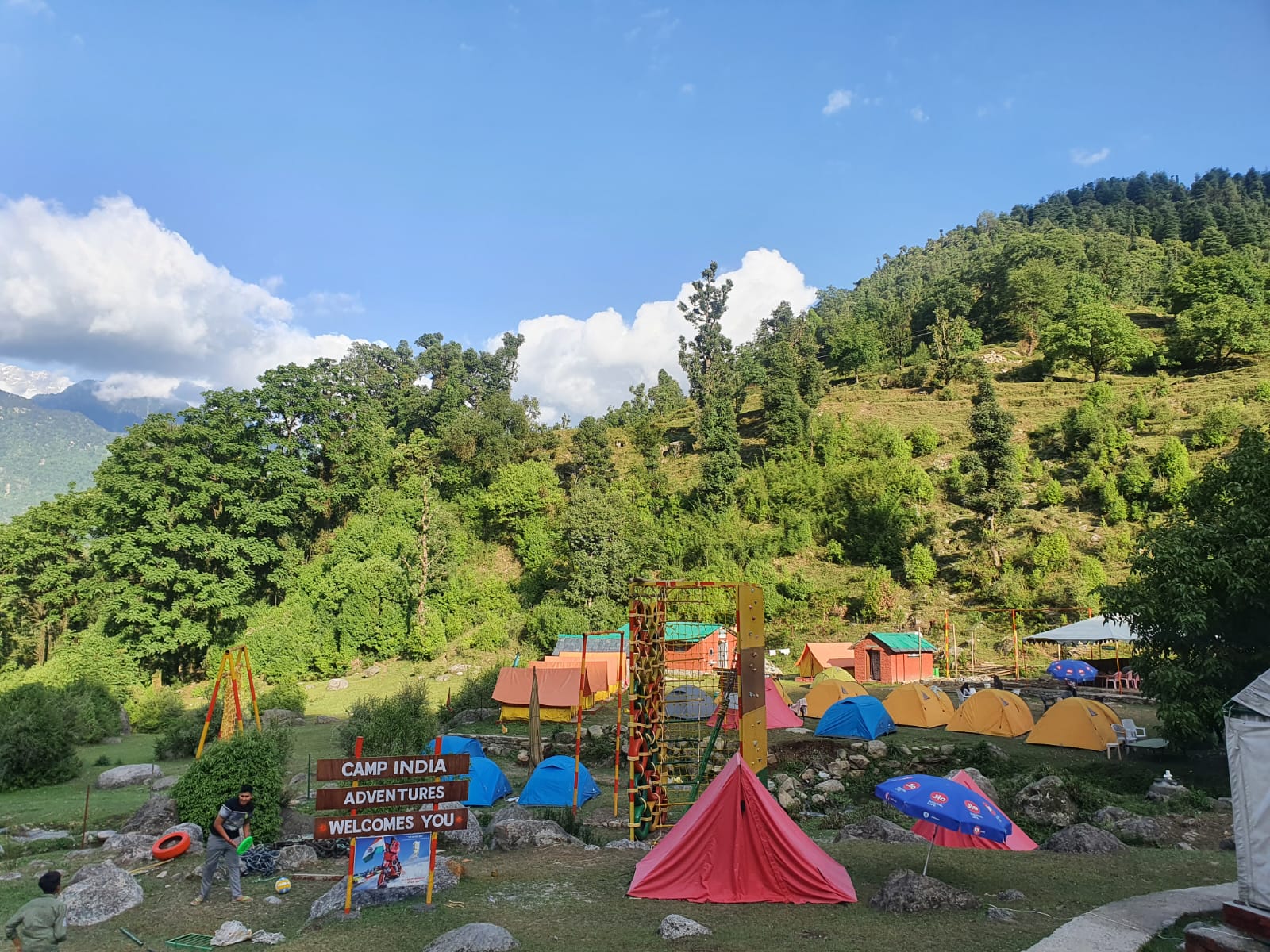
Parents do not need a forest, expensive equipment or a full weekend to begin. Ten calm minutes in a familiar place can be more useful than a dramatic once-a-year lecture.
Write the child’s name, guardian contacts, relevant medical information and one backup contact. Explain when and how to show it to a trusted helper.
Pick one familiar place near home and another outside the immediate neighbourhood. Make sure every family member understands the plan.
Let the child choose a whistle, torch, water bottle, cap and contact card. Ask them to explain the purpose of each item.
During a walk, ask the child to notice three safe landmarks and describe the route back without relying on a phone.
Use chairs, sheets and cushions to explore stability, entry space and teamwork. No sharp tools or unstable furniture are needed.
Role-play telling a helper the child’s name, location, what happened and which adult they were with. Never place a test call to emergency services.
Keep the tone playful and matter-of-fact. Ask “What would you do next?” instead of describing frightening possibilities. Correct one point at a time, repeat it on another day and finish with something the child did well.
A simple five-minute “lost outdoors” practice
- Stop moving and take slow breaths.
- Look for immediate danger, then choose a safe visible place.
- Stay there unless the location itself becomes dangerous.
- Listen for adults calling and answer loudly.
- Use a whistle, bright cloth or raised arms to become easier to notice.
This approach reflects guidance from the U.S. National Park Service, which teaches children to stay put, keep warm and dry, and make themselves visible when separated outdoors.
05 What children should never practise alone
Online survival videos can make risky activities look easy. A child copying a demonstration without understanding the environment, equipment or emergency plan can be placed in real danger.
- Lighting, maintaining or extinguishing any fire
- Using knives, axes, saws, matches or fire-starting tools
- Swimming, rafting or approaching unfamiliar water
- Climbing, rappelling, rope courses or height-based activities
- Eating or touching unknown berries, mushrooms, leaves or plants
- Drinking or attempting to treat water from natural sources
- Leaving a marked trail or group boundary to test navigation
- Administering medication or attempting advanced first aid
A safe children’s program teaches respect before technique. For example, fire learning should begin with boundaries, wind awareness, safe distance and adult control—not with a competition to see who can create a flame fastest.
06 How parents, schools and teachers can choose a safe survival program
A colourful brochure and a long activity list do not prove that a program is suitable. Whether you are a parent, school coordinator, teacher, community organiser or apartment association, ask how the experience is managed when children are actually on the ground. The same checks apply when evaluating survival skills for students or wider outdoor learning activities for schools.
Ask what happens if a child becomes anxious, refuses an activity or needs additional support. “Everyone must participate” is not a safety strategy. Good facilitators encourage children while respecting their limits.
Schools can explore Crazy Crew’s supervised school outings and outdoor learning programs. Parents and family groups can also explore family-day experiences or enquire about an age-appropriate organised session.
07 Why outdoor survival learning matters even without an emergency
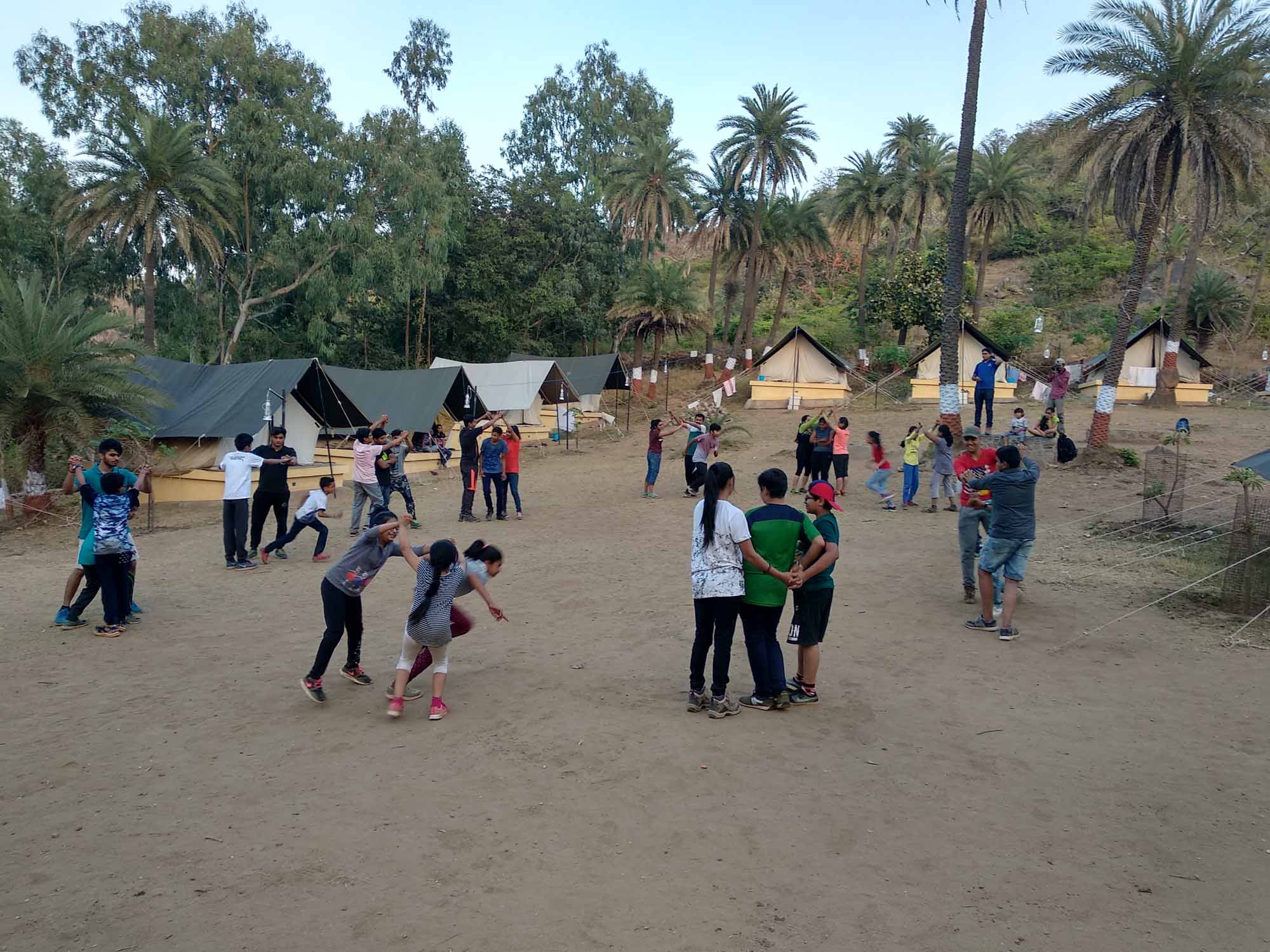
Most children who learn survival skills will never face a dramatic wilderness situation. The learning is still valuable because the same habits appear in everyday life.
Children practise pausing, observing and breaking a confusing problem into one safe step at a time.
Completing a shelter, following a map or tying a useful knot gives children evidence that they can learn difficult things.
Outdoor challenges make listening, role-sharing and communication visible in a way classroom discussion often cannot.
Children learn that outdoor spaces are not playgrounds without rules. They begin to notice weather, plants, animals and human impact.
Navigation, observation and hands-on building direct attention toward the real environment instead of a device.
A child learns what they can do, what they should not attempt and when an adult must take over.
This is why good survival activities for kids feel like adventure while quietly teaching judgement. The child remembers the challenge; the life skill stays underneath it. These are practical life skills for children, even when no emergency ever occurs.
08 A simple outdoor safety kit for children
The contents should match the child’s age, activity, climate and location. An adult should pack and check the kit, then explain each item so it does not become mystery weight in a backpack.
Sharp tools, loose matches and medication should not be placed in a young child’s personal kit. Those belong with responsible adults and trained leaders.
How Crazy Crew turns survival learning into an adventure
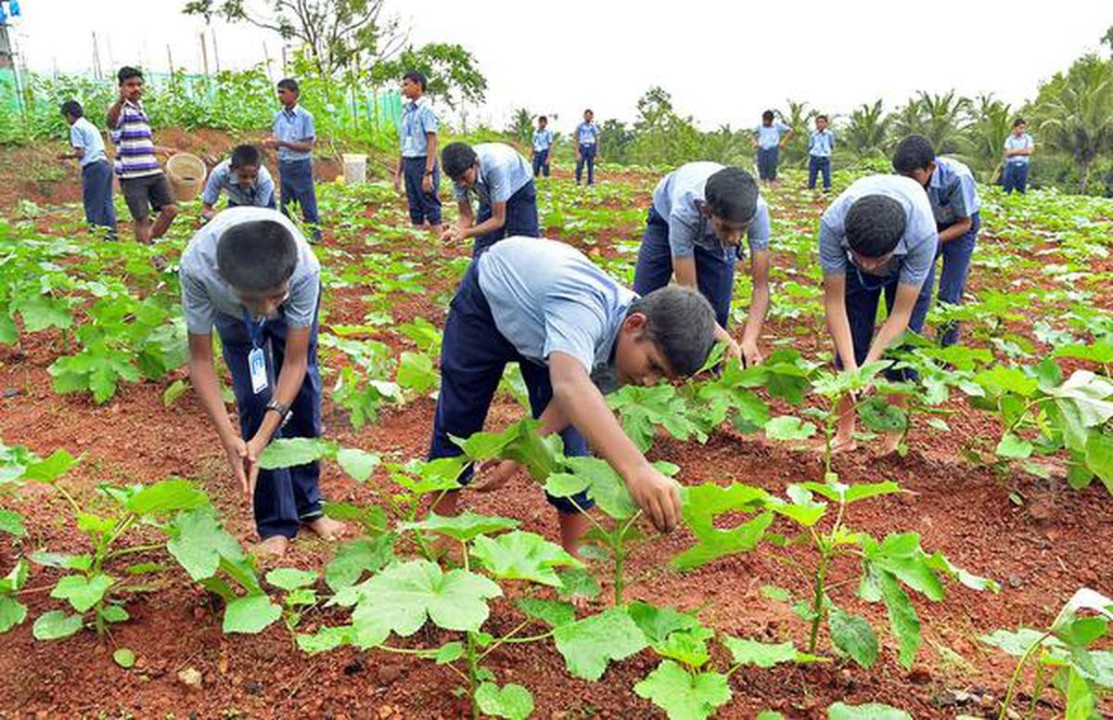
Children learn better when they are doing, discussing and trying again—not listening to a frightening lecture. Crazy Crew’s survival-focused outdoor experiences can combine supervised navigation, knot tying, shelter-building concepts, nature awareness, farming activities, team challenges and practical safety habits in an engaging format.
The program can be shaped around the age group, number of participants, available space and learning goal. Parents, schools, teachers, communities and organised groups can discuss a suitable format, while Crazy Crew coordinates the activity flow, equipment, facilitation and on-ground support. Families searching for a survival camp for kids in Bangalore can enquire about current age requirements, group formats and availability.
If you want to combine outdoor learning with a wider adventure experience, visit Crazy Crew’s adventure outings.
Frequently asked questions about survival skills for kids
What are the most important survival skills for kids?
The most useful early skills are staying calm, staying put when separated, becoming visible, remembering contact information, asking trusted adults for help, following a buddy system, noticing landmarks, respecting weather and water, and recognising when not to take a risk.
At what age can children start learning survival skills?
Simple safety habits can begin around ages five to seven through short, supervised practice. The complexity should increase gradually with the child’s maturity, confidence and ability. Fire, sharp tools, open water, heights and advanced first aid always need suitable adult or professional supervision.
Can parents teach survival skills at home?
Yes. Parents can safely practise contact information, family meeting points, emergency conversations, landmark awareness, backpack preparation, whistle use and simple indoor shelter-building. Technical or hazardous skills should be left to qualified instructors.
What should a child do if they get lost outdoors?
If there is no immediate danger, the child should stop, breathe, stay in a safe visible place, keep warm and dry, listen for people calling and attract attention with their voice, whistle, raised arms or bright clothing. Children should learn this through calm supervised practice.
Does survival training include first aid?
An age-appropriate program may teach children how to recognise an emergency, call an adult, describe an injury and seek professional help. Any hands-on treatment instruction should be delivered by suitably qualified trainers and adapted to the child’s age.
How can I check whether a kids’ survival program is safe?
Ask about instructor experience, age grouping, adult-to-child supervision, risk assessment, attendance checks, first-aid arrangements, weather backup, equipment control, activity boundaries and how the team supports children who do not want to participate in a particular activity.
Are Crazy Crew survival programs only for schools?
No. Schools can enquire about group programs, while parents, family groups, communities and organised batches can also discuss suitable survival-learning formats. Availability, minimum group size, age requirements and program design should be confirmed directly with Crazy Crew.
Safety note: This article offers general educational guidance and does not replace qualified outdoor, medical or emergency training. Safety recommendations were cross-checked against the U.S. National Park Service outdoor emergency plan, National Disaster Management Authority school-safety resources, India’s Emergency Response Support System and Ready Kids family-planning guidance.

Written by crazycrew
Lead Event Strategist at CrazyCrew Events with over 8 years of experience curating 500+ corporate offsites, experiential retreats, and team building outbound events across South India.
10 Benefits of Educational Trips for Students: Learning Beyond the Classroom
Survival Skills for Kids: A Guide for Parents, Schools and Teachers
How to balance adult relaxation, children entertainment zones, waterpark access, and multi-cuisine catering for memorable annual company family days.