
How to Plan a Successful Corporate Outing Without the Stress
How to balance adult relaxation, children entertainment zones, waterpark access, and multi-cuisine catering for memorable annual company family days.

It usually begins with one harmless message: “Can you plan a team outing this month?” Then come the questions. Who is joining? What is the budget? Will everyone enjoy the activities? Who is arranging the buses? What if it rains? And, most importantly, can the organising team enjoy the day too?
Good corporate outing planning is less about packing the schedule and more about removing friction. When the purpose, people, transport, food, activities and on-ground responsibilities work together, the outing feels effortless. The team simply shows up, joins in and goes home with stories worth retelling.
This practical guide is for HR, admin and employee-engagement teams planning a corporate team outing without turning it into another full-time project.
Quick answer: Start with one clear objective, confirm the headcount and budget, choose an outing format that suits the whole group, build an inclusive activity plan, lock transport and food early, prepare a weather and safety backup, and assign one team to own execution from pickup to drop-off.
01 Begin with the outcome, not the venue
A common planning mistake is to search for a venue before deciding what the outing needs to achieve. A resort can look perfect in photographs and still be wrong for the team. The right starting question is: What should feel different when everyone returns to work?
Your goal may be to help a newly formed team become comfortable with one another, reconnect departments that rarely interact, celebrate a demanding quarter, welcome new employees or simply give people a genuine break. Each objective calls for a different balance of structure and free time.
Recharge
Choose an easy-paced day with leisure, good food and enough unplanned time to talk.
Build connection
Use mixed-team challenges, icebreakers and activities that encourage new conversations.
Improve collaboration
Add facilitated problem-solving tasks followed by a short, practical debrief.
Celebrate
Give recognition, music, food and social time more space than formal sessions.
Write the goal in one sentence and use it as a filter for every decision. If an activity, expense or schedule item does not support that goal—or make the day safer and smoother—it may not need to be there.
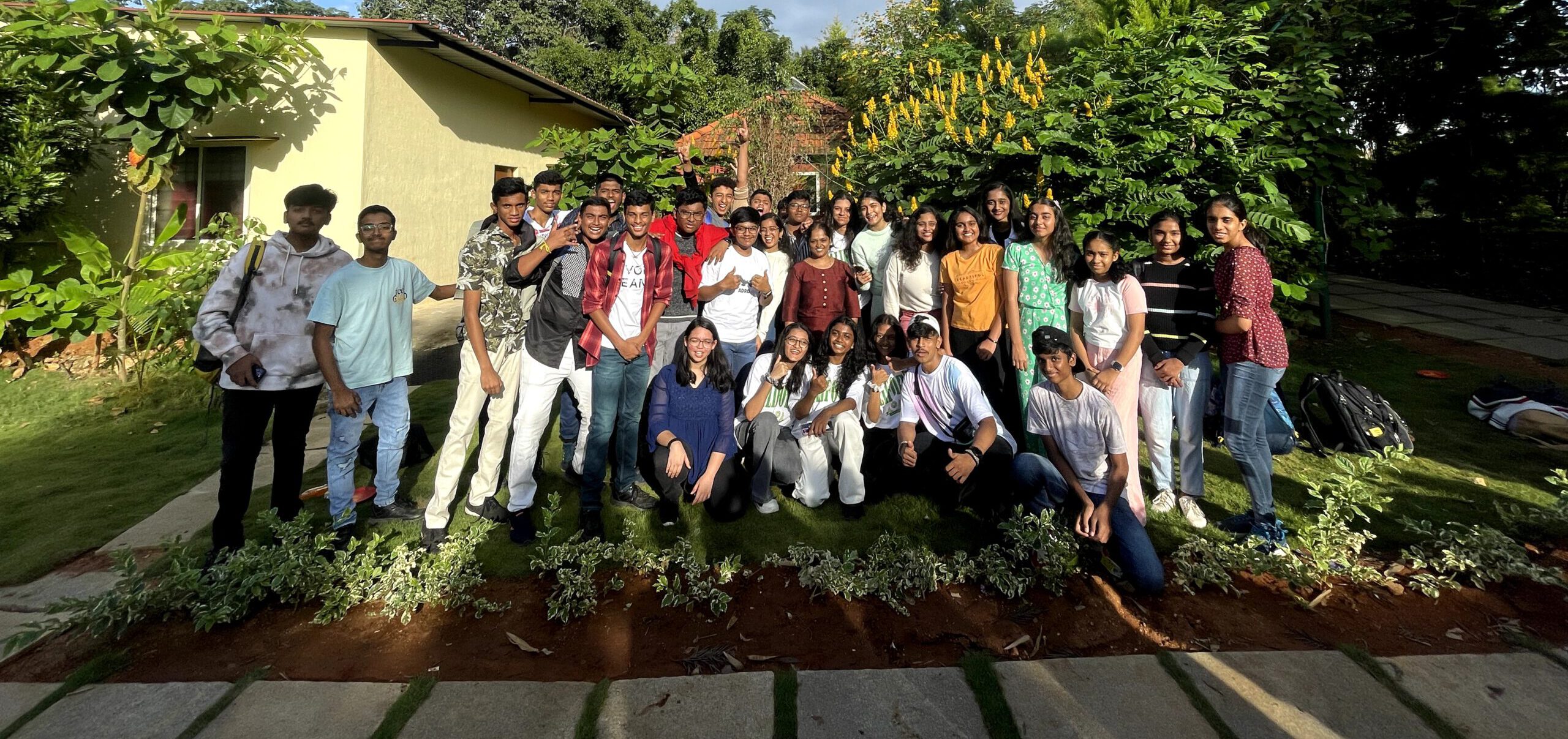
02 Build a clear outing brief before requesting quotes
Vague requirements produce vague proposals. Before speaking to a venue or corporate outing organiser, collect the details that affect the plan and the price.
Expected headcount and a realistic final-count date
Preferred dates plus at least one backup date
Pickup locations and approximate travel limit
One-day outing, overnight offsite or family day
Age mix, mobility needs and accessibility requirements
Dietary preferences, allergies and beverage policy
Activity intensity: relaxed, balanced or adventurous
Company approvals, billing details and payment process
Also check work realities. Are employees coming off a night shift? Does the group include people travelling from different office locations? Will senior leaders join only for part of the day? These details seem small on paper, but they shape participation on the ground.
A practical HR tip: Ask for preferences, not an open vote on every decision. Three clear choices—such as relaxed, balanced or high-energy—give you useful information without creating fifty different versions of the outing.
03 Plan the full budget—not just the per-person package
A low package price can become expensive once transport, activity facilitation, taxes, equipment or evening refreshments are added. For accurate corporate offsite planning, compare proposals on the complete experience rather than one headline number.
Include these cost heads
- Venue access, stay or day-out package
- Breakfast, lunch, snacks, beverages and special meals
- Pickup, drop-off, tolls, parking and driver charges
- Professional emcee or activity facilitators
- Props, safety gear, sound system and event setup
- Photography, awards or corporate gifting if required
- Taxes, service charges and a small contingency reserve
Ask what happens when the headcount changes after booking. Confirm the minimum guaranteed number, the last date for revision, cancellation terms and whether unused inclusions can be adjusted. These are not glamorous questions, but they prevent difficult conversations later.
Watch for the “everyone assumed someone else had booked it” problem. Keep one approved master budget and one owner for every cost. Separate informal WhatsApp confirmations from final written approvals.
04 Choose an outing format that fits the team
There is no single best corporate outing. The useful question is which format gives your group the right mix of time, energy and interaction.
| Outing format | Works well for | Planning focus |
|---|---|---|
| One-day team outing | Busy teams, broad participation and a controlled budget | Travel time, a crisp agenda and timely return |
| Adventure-led outing | Teams that enjoy active challenges and shared achievement | Fitness levels, safety briefings and alternative activities |
| Resort retreat | Relaxation, informal bonding and mixed-age groups | Facilities, food quality, private activity space and weather backup |
| Overnight corporate offsite | Leadership alignment, strategy sessions or deeper team connection | Rooms, evening schedule, transport and next-day energy |
| Employee family day | Recognition, belonging and company-wide celebration | Children’s activities, family comfort, food and crowd flow |
If participation is the main goal, convenience matters more than novelty. A beautiful location with a punishing commute can drain the energy before the first activity begins.
05 Pick team-building activities people will actually join
The best team-building activities for employees do not force everyone to behave like the loudest person in the room. They offer more than one way to contribute: movement, strategy, communication, creativity or observation.
A balanced activity flow can begin with a low-pressure icebreaker, move into a collaborative challenge, add friendly competition and then open into leisure time. This helps hesitant participants settle in before the energy rises.
Four useful activity types
Quick connection games
Short, simple icebreakers help people loosen up without making anyone the centre of attention for too long.
Collaboration challenges
Teams solve, build or complete a task together, giving communication and role clarity a natural test.
Friendly competition
Timed games create energy, provided the scoring is clear and the emphasis stays on participation.
Relaxed social activities
Music, food, informal games and free time make space for conversations that structured sessions cannot produce.
Share any physical limitations privately and provide alternatives without drawing attention to individuals. Participation should feel inviting, not compulsory. A team outing succeeds when people return feeling included—not when every person completes the same obstacle.
For a closer look at structured games, trust challenges and facilitated programs, explore Crazy Crew’s team-building experiences.
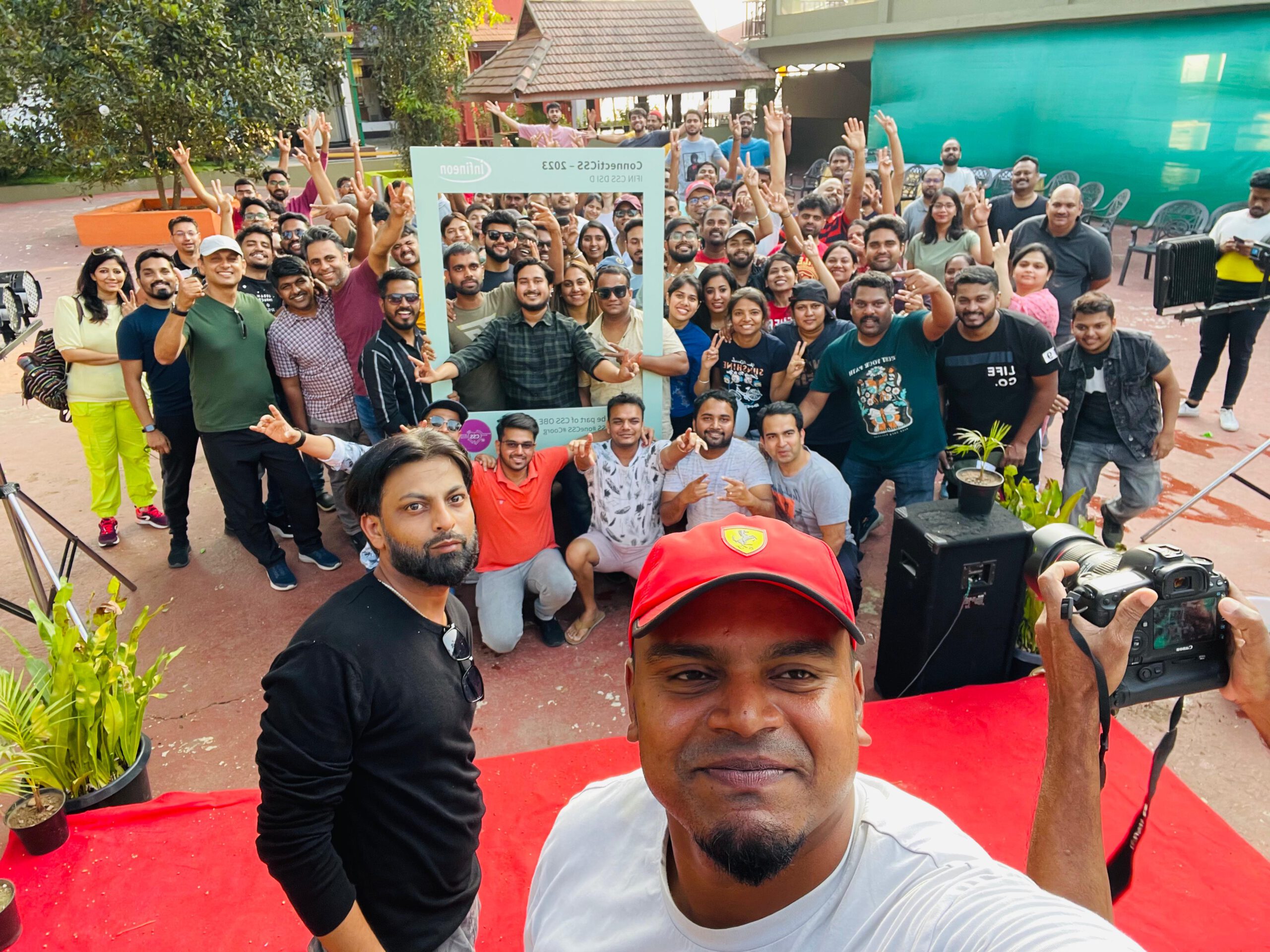
06 Create an agenda with breathing room
An outing is not an office meeting moved outdoors. If every minute is assigned, people spend the day being moved from one item to the next. Build buffer time around travel, meals, changing, group photographs and transitions.
Sample one-day corporate outing itinerary
| Time | Plan | Why it works |
|---|---|---|
| 7:00–7:30 AM | Pickup and departure | Attendance check, coordinator introduction and light travel briefing |
| 9:00 AM | Arrival and breakfast | Gives the group time to settle before activities begin |
| 10:00 AM | Welcome and icebreaker | Sets an inclusive, energetic tone |
| 10:30 AM | Team challenges | Uses the morning’s higher energy for structured engagement |
| 1:00 PM | Lunch and free time | Allows genuine rest and informal conversation |
| 2:30 PM | Leisure or optional activities | Lets people choose their pace after lunch |
| 4:30 PM | Snacks, awards and group moment | Creates a clear, positive close without dragging the day |
| 5:30 PM | Departure | Leaves a realistic margin for the return journey |
Adjust this around your team’s shift timings, travel distance and outing goal. For large groups, stagger meal and activity movements so that queues do not become the day’s most memorable team-building exercise.
07 Treat transport as part of the experience
For many teams, the outing begins when the first bus arrives—not at the venue. Late vehicles, unclear pickup points or scattered communication can affect the entire day.
Map employee clusters before finalising pickup locations. Use clear landmarks, realistic reporting times and one coordinator per vehicle. The coordinator should have the passenger list, driver contact, route plan, emergency contact and the number of the on-ground event lead.
Transport details worth confirming
- Vehicle capacity with comfortable seating, not just legal maximums
- Air-conditioning and luggage space where needed
- Pickup sequence, planned stops and expected arrival time
- Tolls, parking, permits and driver allowance
- Live location or an agreed update system between coordinators
- Return departure time and drop sequence
For Bangalore teams: plan for office-location clusters and peak-hour traffic before choosing the final schedule. Saving thirty minutes on the activity plan is pointless if the group loses two hours in avoidable cross-city pickups.
08 Make safety and comfort visible in the plan
Safety should not sit in a file that nobody sees. It should appear in the choice of activities, the briefing, the equipment, the staffing and the backup plan.
Check who supervises adventure activities, what protective gear is used, how equipment is inspected and whether first-aid support is available. Confirm drinking-water access, shaded rest areas, changing facilities and safe storage for personal belongings. For water-based activities, verify supervision and suitable safety equipment.
Weather planning matters too. Decide in advance what moves indoors, what gets replaced and who makes the call. A rain backup should be a real experience, not fifty people waiting in a hallway while someone searches for a speaker.
Before the outing, privately collect
- Food allergies and dietary restrictions
- Mobility or accessibility requirements
- Medical information employees voluntarily choose to share
- Emergency contact details where company policy requires them
Only collect information you genuinely need, limit access to it and follow your company’s privacy process.
09 Send information employees can actually use
A long message is not always a clear message. Send the first invitation early enough for people to reserve the date, then share one final briefing after the headcount and schedule are locked.
Your final employee briefing should cover
Date, reporting time and pickup point
Expected return time
Clothing and footwear guidance
What to carry—and what not to carry
Meal plan and how to flag dietary needs
Activity overview and optional elements
Coordinator and emergency contact numbers
Weather note or last-minute update channel
Keep all confirmed information in one message or document. If details are spread across twelve chat replies, somebody will arrive at yesterday’s pickup point wearing the wrong shoes.
10 Assign ownership for the actual day
Even a strong plan can fail if nobody owns the transitions. The HR team should not have to chase breakfast, locate props, answer driver calls and gather people for activities at the same time.
Assign clear roles before departure:
- Overall event lead: owns the master schedule and final decisions
- Transport coordinators: manage attendance, drivers and route updates
- Venue and food coordinator: checks spaces, timings and meal readiness
- Activity lead: manages facilitators, equipment and participant flow
- Employee communication contact: shares live updates with the group
- Safety contact: knows first-aid arrangements and escalation steps
For larger events, a single WhatsApp group with only authorised admins can keep updates visible without burying them under hundreds of replies.
11 Measure more than attendance
Employee engagement activities are often judged by photographs and turnout. Those matter, but they do not tell you whether the experience worked.
Send a short feedback form within one working day. Three useful questions are enough:
- What part of the outing did you enjoy most?
- Did the day help you connect with colleagues you do not usually work with?
- What should we change for the next outing?
Review participation across departments, transport delays, meal feedback, activity engagement and any safety issues. Keep these notes with the final vendor documents. The next corporate team outing becomes much easier when the lessons are not trapped in one organiser’s memory.
Your complete corporate outing checklist
Define one clear purpose
Confirm budget and approval owner
Estimate headcount and group profile
Choose primary and backup dates
Select the most suitable outing format
Compare complete packages, not headline prices
Design inclusive team-building activities
Create a realistic agenda with buffers
Lock pickup points, vehicles and coordinators
Confirm food, allergies and meal timings
Verify safety, first aid and activity supervision
Prepare weather and indoor backup options
Share one clear employee briefing
Assign on-ground ownership
Collect feedback after the event
Save the learning for the next outing
When should you work with a corporate outing organiser?
If the outing involves multiple pickup points, a large headcount, structured team-building, different food requirements or several vendors, professional coordination can save far more than planning time. It creates one line of accountability.
Experienced corporate outing organisers in Bangalore can align the venue, transport, activity design, food, safety, gifting and on-ground flow around a single brief. That means HR and admin teams can stay involved without spending the entire outing solving logistics.
Crazy Crew Events plans custom corporate outings and offsites with transport, resort bookings and stays, team-building activities, meals and refreshments, corporate gifting and complete on-ground coordination. The plan is built around your team size, budget, preferences and business objective—not a fixed outing template.
Frequently asked questions about corporate outings
What is a corporate outing?
A corporate outing is an organised experience outside the regular workplace where employees can relax, interact and take part in shared activities. It may be a one-day team outing, resort day, adventure program, family day or overnight corporate offsite.
How do you plan a successful corporate outing?
Begin with a clear objective, headcount and budget. Then select the right format, plan inclusive activities, confirm transport and food, build a realistic agenda, verify safety arrangements, prepare a weather backup and assign clear on-ground responsibilities.
How much does a corporate team outing cost?
The cost depends on group size, travel distance, venue category, food, activities, equipment, stay and custom requirements. Compare complete proposals that include taxes and logistics instead of judging only the advertised per-person price.
Which activities are best for a corporate outing?
The best activities match the team’s goal and comfort level. A balanced plan often combines a simple icebreaker, collaborative challenges, friendly competition and relaxed social time. Employees should also have alternatives to highly physical activities.
How early should a company plan its outing?
For a typical one-day corporate outing, begin planning at least four to six weeks ahead. Large groups, overnight stays, multiple pickup points or peak-season dates may need more lead time.
Can Crazy Crew manage the complete corporate outing?
Yes. Crazy Crew can coordinate transportation, resort bookings and stays, customised activities, team-building, food and refreshments, corporate gifting and on-ground event management from pickup to drop-off.

Written by crazycrew
Lead Event Strategist at CrazyCrew Events with over 8 years of experience curating 500+ corporate offsites, experiential retreats, and team building outbound events across South India.
Adventure Activities Near Bangalore: A Group Guide
[crazycrew_single_header] .cce-blog { max-width: 820px; margin: 0 auto; line-height: 1.75; font-size: 17px; } .cce-blog h1 {...
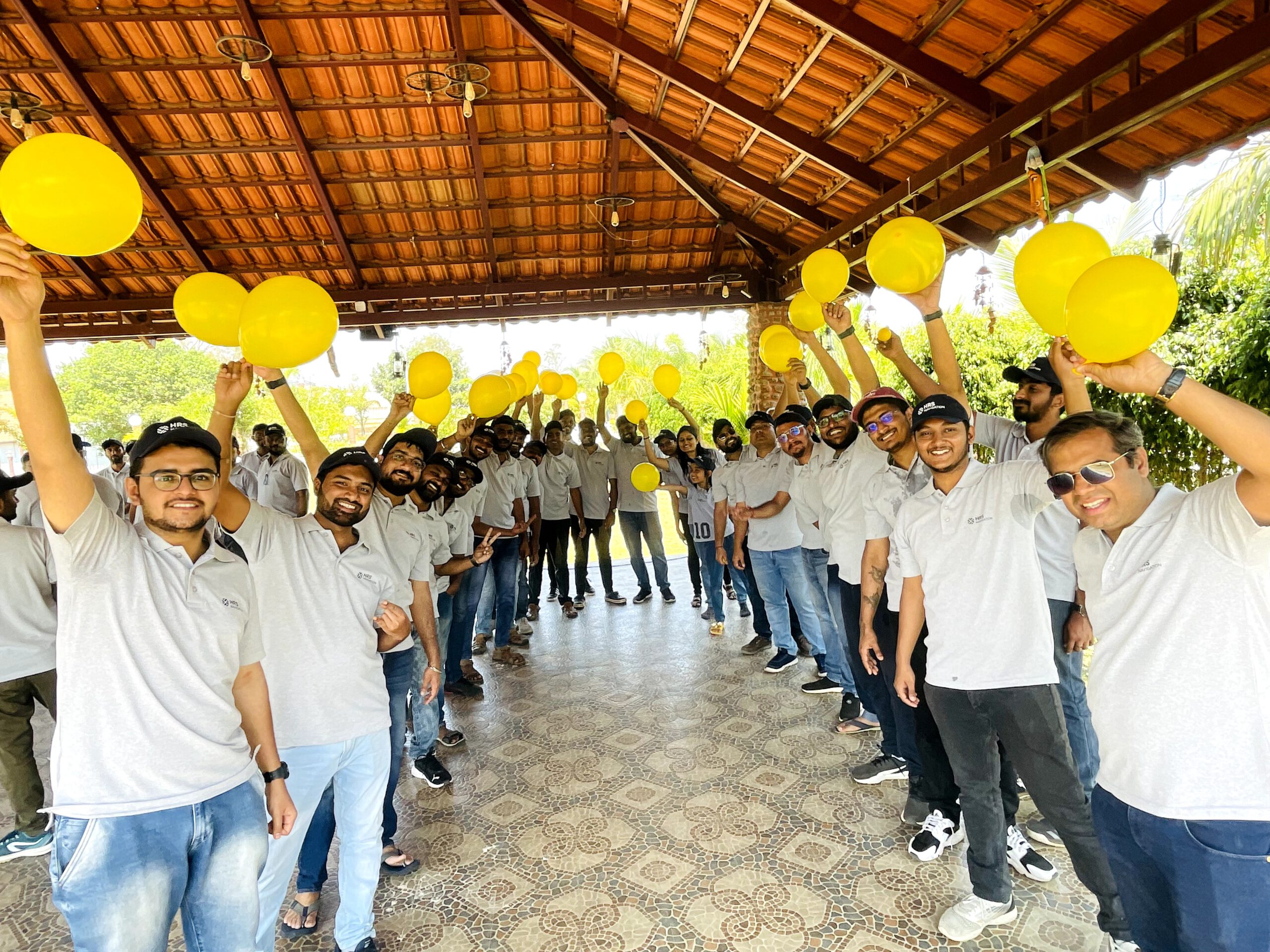
15 Team Building Activities for Employees That Don’t Feel Forced
[crazycrew_single_header] .cc-team-blog, .cc-team-blog * { box-sizing: border-box; } .cc-team-blog { --cc-blue: #1261a8; --cc-green: #16855b; --cc-orange: #f58220;...
Top 10 Corporate Team Building Resorts in Bengaluru for 2026
🎯 Key Takeaways for Corporate Planners Location Accessibility: Kanakapura Road, Electronic City, and North Devanahalli offer...