
How to Plan School Trip Without Stress:Complete Checklist for Schools & Teachers
How to balance adult relaxation, children entertainment zones, waterpark access, and multi-cuisine catering for memorable annual company family days.

A school trip sounds simple when it is still an idea: choose a date, book a bus and take the students out. Then the real questions arrive. Who has permission? Which child has an allergy? Where will each bus stop? Who carries the emergency contacts? What happens if the group is delayed?
A useful school trip planning checklist does more than collect tasks. It makes responsibility visible. Schools and teachers should know what is confirmed, what is pending, who owns each decision and what the backup plan is before students leave the gate.
This guide covers the complete process—from the first objective to the final student handover—without recommending or promoting any particular destination.
Quick answer: Define the learning or experience goal, form the planning team, confirm the student profile and budget, approve the date and itinerary, verify transport and activity safety, collect consent and medical details, assign supervision groups, brief parents and students, prepare an emergency plan and use one master attendance list from departure to final handover.
01 Start with the purpose—not the destination
Before discussing where to go, decide why the trip should happen. The answer affects the activity style, travel time, duration, staffing and budget.
A trip may be planned to:
- connect classroom learning with a real-world experience;
- introduce students to nature, culture, science or industry;
- develop teamwork, confidence and practical life skills;
- give students a supervised recreational break;
- celebrate a milestone or strengthen relationships within a class.
Write one primary objective in a single sentence. For example: “Students should return with a practical understanding of how teams solve outdoor challenges.” That sentence becomes a filter for every later decision.
Avoid the “everything trip.” Trying to combine education, adventure, celebration, competition and a packed sightseeing schedule in one day often leaves students rushed and teachers exhausted. Choose one main outcome and two supporting ones.
02 Create a small planning team with clear ownership
School trips become stressful when several people are helping but nobody knows who has the final list. Assign one trip lead and divide responsibilities before making bookings.
Trip lead
Owns approvals, the master timeline and final decisions.
Student-data coordinator
Maintains consent, attendance, medical notes and emergency contacts.
Transport coordinator
Confirms vehicles, routes, drivers, boarding points and bus-wise lists.
Teacher-group leads
Supervise fixed student groups and complete every headcount.
Parent communication contact
Sends approved information and handles routine questions.
External organiser
Coordinates itinerary, activities, meals, logistics and on-ground crew where engaged.
Keep one shared master document. Separate versions sent through email and WhatsApp are easy to confuse, particularly when a student joins late or a medical note changes.
03 Understand the students you are planning for
A suitable outing for senior students may be tiring, confusing or unsafe for younger children. Build a group profile before finalising the program.
Record:
- age range and class level;
- estimated and maximum student count;
- number of teachers, support staff and approved volunteers;
- mobility, sensory or accessibility requirements;
- known allergies, medical considerations and dietary needs;
- language or communication support required;
- previous experience with long travel, water or outdoor activities.
This is also the time to decide whether the trip is open to every student in the class and what reasonable adjustments may be needed. Inclusion should be planned at the beginning, not added after the itinerary is locked.
04 Build the full budget before sharing the price
A low headline package can become expensive when transport, taxes, teacher costs or special arrangements are added later. Calculate the complete trip cost before communicating a per-student amount.
| Budget area | What to include | Commonly missed detail |
|---|---|---|
| Transport | Vehicle hire, tolls, parking, permits and driver charges | Extra kilometres or waiting time |
| Entry and activities | Admission, instructors, equipment and activity materials | Different prices by age or activity |
| Food and water | Meals, snacks, packaged water and special diets | Early breakfast or return snacks |
| School team | Teacher, support-staff and volunteer requirements | Whether complimentary ratios are written |
| Safety and support | First-aid readiness, trained crew and required safety gear | Replacement or damage policies for equipment |
| Contingency | A modest buffer approved by the school | Last-minute student or transport changes |
Agree on the payment schedule, cancellation terms, minimum group size, refund policy and final headcount deadline in writing. Parents should receive one clear price and know exactly what it covers.
05 Design an itinerary with breathing room
A school trip itinerary should be realistic from the first student check-in to the last handover. It should include movement between spaces, washroom breaks, meals, headcounts and the extra minutes younger groups need to settle.
Before departureStudent check-in, teacher briefing, bus allocation and first headcount
TravelComfort stop if required, water access and arrival update
On arrivalWashroom break, orientation, boundaries and safety briefing
Main programTwo or three age-appropriate learning or recreational blocks
MealsSeated time, dietary support and regrouping before the next activity
DepartureFinal washroom call, belongings check and bus-wise headcount
School arrivalControlled student handover and unresolved-item check
Keep a weather backup and decide who has the authority to shorten, modify or stop an activity. A backup is useful only when everyone knows when it will be activated.
06 Treat transport as part of the school trip
Transport is not simply the gap between school and the activity. Boarding, seating and handover are high-responsibility moments, so the transport plan needs the same attention as the main program.
- Confirm vehicle capacity without relying on children sharing seats.
- Use fixed bus-wise student and teacher lists.
- Check pickup access, parking and safe boarding space.
- Share route, driver and coordinator information with authorised staff.
- Keep bags clear of aisles and emergency exits.
- Plan comfort stops for longer journeys.
- Complete a named headcount before every vehicle movement.
Gate-to-gate planning: A G2G trip plan should cover the complete journey from school departure to the final return—not only the activities after arrival.
07 Build a practical school trip safety checklist
Safety is not one certificate or one first-aid box. It is a chain of small systems that prevent students from becoming unaccounted for, receiving the wrong food, entering an unsuitable activity or missing help when they need it.
Check transport and driver documentation required by the school
Review the activity area and physical boundaries
Confirm trained supervision for specialist activities
Verify age-appropriate safety gear and instructions
Keep current medical notes and emergency contacts accessible
Identify the nearest suitable medical support
Set lost-child, injury and severe-weather procedures
Use fixed meeting points and regrouping times
Confirm safe food, water and allergy handling
Record who can authorise emergency decisions
Risk assessments and supervision ratios must follow the school’s policy, board requirements and the needs of the particular group. A checklist supports professional judgment; it does not replace the school’s rules.
08 Give parents information they can act on
Parents usually ask repeated questions when the first communication is incomplete. Send one clearly formatted trip note with all essential information, then use later messages only for genuine updates.
The communication should cover:
- the purpose and type of trip;
- date, reporting time and expected return time;
- what the fee includes and the payment deadline;
- clothing, footwear, food and packing instructions;
- activities that need specific permission;
- medical and dietary information the school requires;
- emergency communication procedure;
- student behaviour and device rules;
- consent deadline and authorised pickup procedure.
Avoid spreading essential details across several chat messages. Use a single approved notice or PDF that parents can refer to later.
09 Make every student belong to a supervision group
“All teachers are watching all students” sounds reassuring but creates unclear responsibility. Place every child in a fixed small group with a named teacher or authorised adult.
Each group lead should have:
- a current list with student names and relevant alerts;
- a simple method for quick visual and named headcounts;
- the trip lead and emergency contact numbers;
- the schedule, meeting points and bus allocation;
- clear instructions about washroom movement and buddy rules;
- a process for reporting a missing student immediately.
Teachers should not be expected to manage attendance, activity props, food distribution, photographs and parent calls at the same moment. On-ground crew and role division reduce that overload.
10 Prepare separate packing lists for students and teachers
A short, specific packing list is more useful than telling families to “bring all essentials.” Adjust every item to the weather, activity and school policy.
| Student essentials | Teacher and trip-team essentials |
|---|---|
| Comfortable clothing and suitable footwear | Printed and digital master attendance lists |
| Labelled water bottle | Consent, medical and emergency-contact information |
| Small labelled bag | Bus-wise and supervision-group lists |
| Cap or rain protection where required | Charged phones and backup power banks |
| Personal medication submitted according to school policy | School-approved first-aid and medication arrangements |
| One spare set for younger children or water activities | Emergency cash or approved contingency method |
| No valuables unless specifically permitted | Vendor, driver and organiser contact sheet |
11 Run the day from one master control plan
On the morning of the trip, the organiser should work from one final version of the schedule and student data. Changes must be recorded instead of remembered.
- Open check-in early. Verify attendance, consent status and submitted medication.
- Mark every late change. If a student is absent, update the bus list and supervision list.
- Brief staff before boarding. Confirm groups, routes, escalation contacts and the next headcount point.
- Count by name. Complete named headcounts before leaving school, after arrival, after major transitions and before return.
- Keep transitions controlled. One group moves at a time when boarding, entering meals or changing activity zones.
- Update parents only through the approved channel. Avoid conflicting messages from multiple staff members.
- Complete a formal handover. Follow the school’s authorised pickup process at the end of the day.
12 Close the trip and record what should improve
A trip is not finished when the buses park. Confirm that every student has been handed over, medicines and important belongings are returned, incidents are documented and vendors have completed agreed responsibilities.
Within the next working day, collect short feedback from teachers and, where appropriate, students. Useful questions include:
- Which part of the trip best met the objective?
- Where did students wait, become confused or lose energy?
- Were transport, food and activity timings realistic?
- Did any safety or supervision process need improvement?
- What should the next trip team keep, change or remove?
Save the final checklist, supplier contacts and learning notes. The next school trip becomes easier when the knowledge does not disappear with the final WhatsApp message.
Complete school trip planning checklist
Define the primary trip objective
Appoint the trip lead and task owners
Confirm the student and staff profile
Review accessibility and medical needs
Approve the complete budget
Confirm terms, payment and cancellation policy
Create the itinerary and weather backup
Verify vehicles, routes and boarding points
Complete the school’s risk assessment
Collect consent and current parent details
Create fixed student supervision groups
Share student and teacher packing lists
Prepare bus-wise attendance sheets
Brief students, teachers and on-ground crew
Use named headcounts throughout the day
Complete final handover and trip review
When should a school work with a trip organiser?
An organiser becomes especially useful when the trip involves several buses, a large student group, multiple activity zones, meals, special requirements or a tight one-day schedule. The benefit is not simply booking; it is having one team connect transport, itinerary, activities and on-ground execution.
Crazy Crew provides customised school outings and educational trips with G2G coordination, transport, meals, activity planning, safety support and dedicated on-ground crew. The trip is built around the school’s student group, objective, timing and budget.
Schools and teachers can also read about the benefits of educational trips for students when preparing the internal proposal or parent communication.
Frequently asked questions
How do you plan a school trip step by step?
Set the objective, appoint the planning team, profile the student group, approve the budget, design the itinerary, verify transport and safety, collect consent and medical information, assign supervision groups, brief parents and students, manage named headcounts and review the trip afterward.
How early should schools start planning a trip?
Begin as early as possible. A straightforward local day trip may need several weeks, while large groups, peak dates, specialised activities or overnight programs need more time. School approvals, parent consent, transport and accessibility planning should not be rushed.
What should be included in a school trip risk assessment?
Follow the school’s required format and consider transport, boarding, activity areas, weather, food and allergies, medical needs, student movement, supervision, emergency communication and handover. Identify the control measure and responsible person for each relevant risk.
What information should parents receive before a school trip?
Parents should receive the purpose, date, reporting and return times, price inclusions, activity information, clothing and packing list, consent requirements, medical-information process, behaviour expectations and the approved emergency communication procedure.
How can teachers keep track of students during an outing?
Use fixed small groups with a named adult, bus-wise lists, buddy rules, visible meeting points and named headcounts before every vehicle movement and major transition. One current master list should control all updates.
What should students carry for a one-day school trip?
The exact list depends on the program, but it commonly includes comfortable clothing, suitable footwear, a labelled water bottle, a small labelled bag and weather protection. Medication and valuables should follow the school’s written policy.
Can Crazy Crew manage a school trip from pickup to drop-off?
Yes. Crazy Crew can coordinate a customised G2G school trip covering transport, itinerary, meals, activities, on-ground crew and operational support. The school retains its own approvals, student information and required policies.

Written by crazycrew
Lead Event Strategist at CrazyCrew Events with over 8 years of experience curating 500+ corporate offsites, experiential retreats, and team building outbound events across South India.
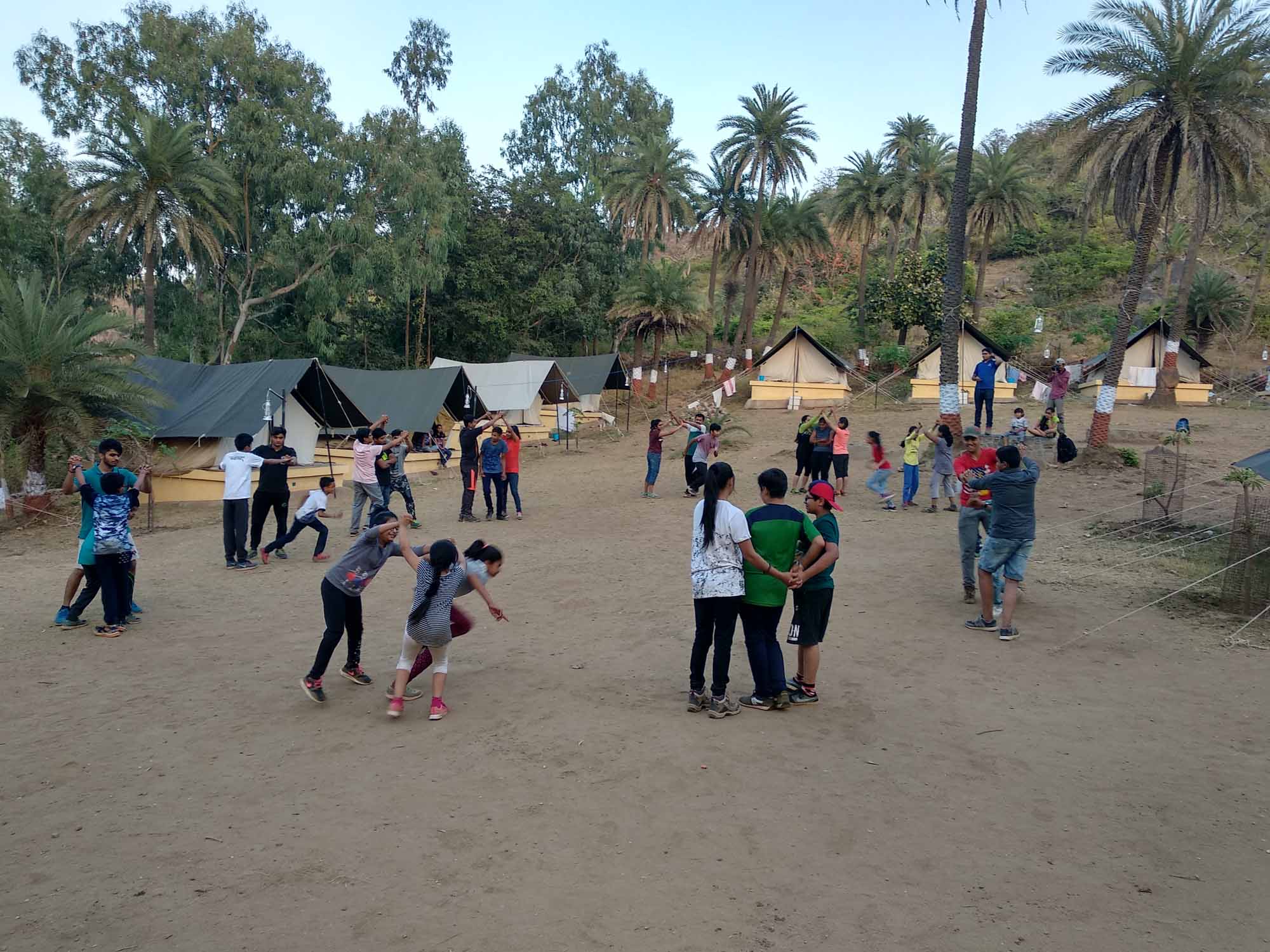
Survival Skills for Kids: A Guide for Parents, Schools and Teachers
[crazycrew_single_header] .cc-survival-blog, .cc-survival-blog * { box-sizing: border-box; } .cc-survival-blog { --cc-blue: #1261a8; --cc-green: #25845a; --cc-orange: #f58220;...
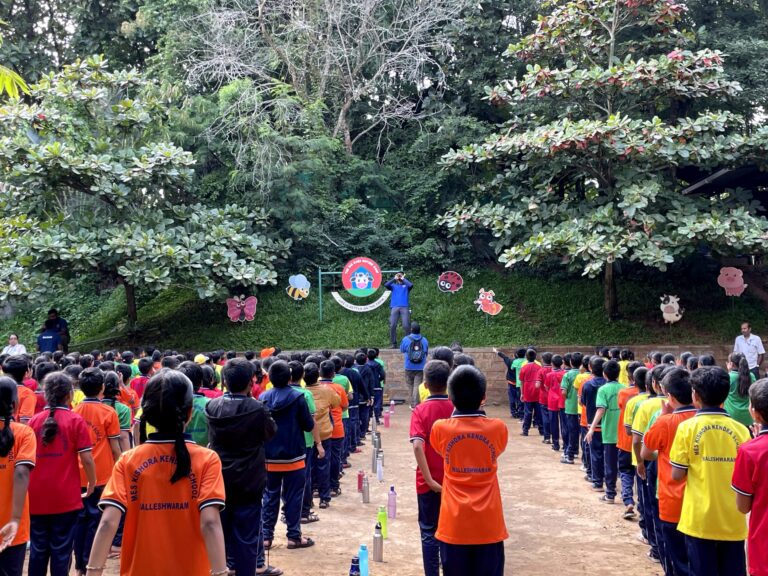
10 Benefits of Educational Trips for Students: Learning Beyond the Classroom
[crazycrew_single_header] .cc-blog, .cc-blog * { box-sizing: border-box; } .cc-blog { --cc-navy: #08233f; --cc-blue: #0a5fa8; --cc-blue-2: #0e79c7;...