
10 Benefits of Educational Trips for Students: Learning Beyond the Classroom
How to balance adult relaxation, children entertainment zones, waterpark access, and multi-cuisine catering for memorable annual company family days.

More than a day away from school
Ask an adult what they remember most clearly from school, and the answer is often not a page from a textbook. It is an experience: trying something new, solving a problem with friends, seeing a lesson come alive or discovering an interest they did not know they had.
That is the real value of an educational trip.
The benefits of educational trips for students go far beyond excitement and recreation. When a trip has a clear learning purpose, age-appropriate activities, careful supervision and time for reflection, it becomes a powerful form of experiential learning.
Students observe, participate, ask questions and connect knowledge with the world around them. Learning moves from “I read about it” to “I saw it, tried it and understood it.”
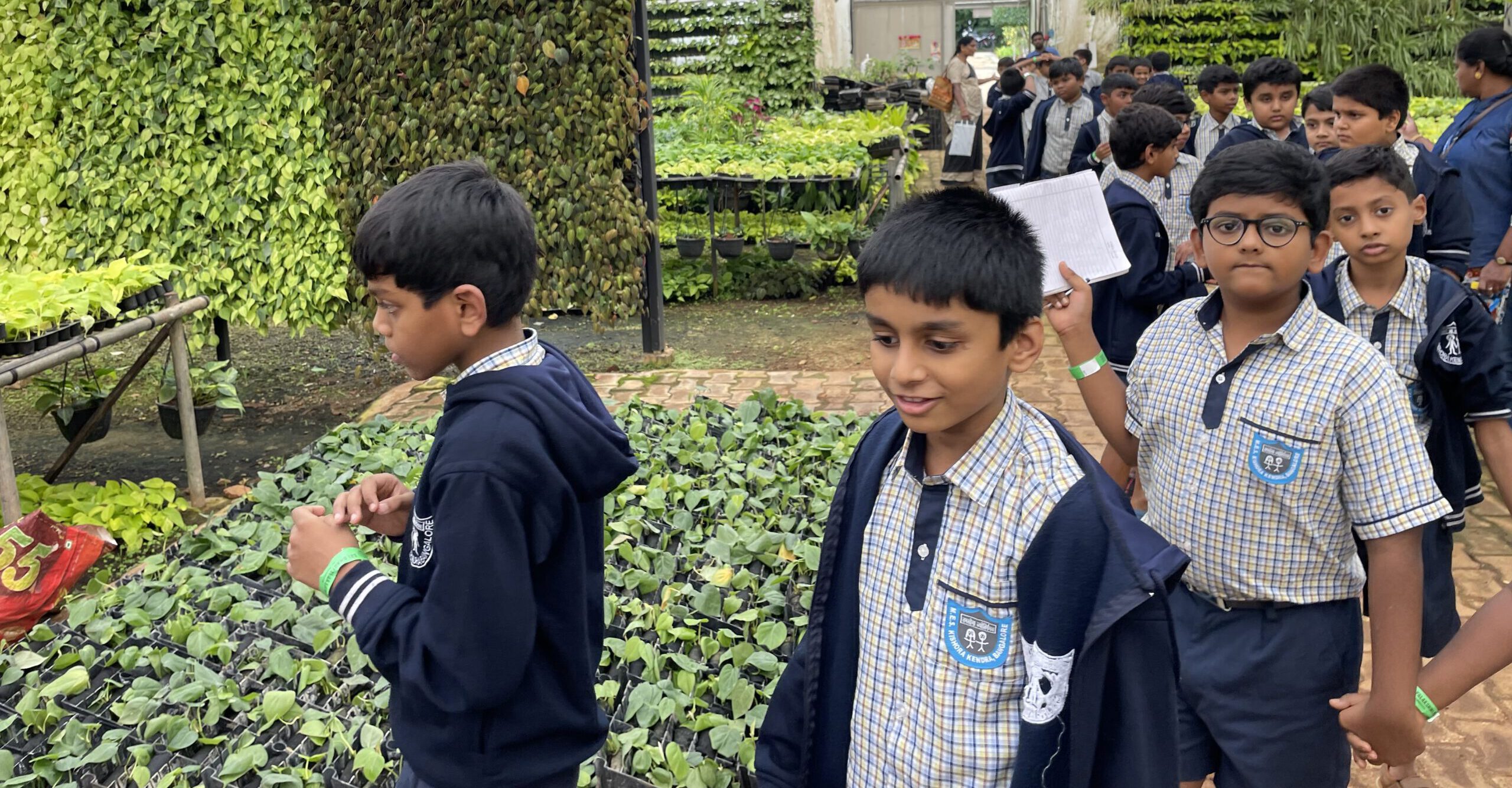
10 educational trip benefits that matter
The strongest school trips balance academic value with social, emotional and practical growth.
01
Classroom concepts become real
Students may understand a definition well enough to repeat it, but direct experience helps them understand what it actually means. They can observe processes, compare what they see with what they learned and apply ideas in context.
02
Understanding and recall become stronger
Experiences create useful mental anchors. A pre-trip discussion, a simple observation task and a post-trip reflection can help students remember the learning long after the trip ends.
03
Curiosity gets room to grow
New experiences encourage questions: Why does this happen? How is this made? What would change the result? Curiosity turns students from passive listeners into active investigators.
04
Critical thinking is practised naturally
Outside the usual classroom routine, students observe, compare, interpret instructions and make decisions. Age-appropriate challenges encourage them to discuss ideas and work towards practical solutions.
05
Teamwork and communication improve
Travelling and completing activities together creates natural opportunities to listen, cooperate and lead. Students may discover new ways to contribute and connect with classmates.
06
Small achievements build confidence
Confidence grows when a student asks a question, tries an unfamiliar task or helps a teammate and realises, “I can do this.” Activities should always match the child’s age, comfort and ability.
07
Responsibility becomes practical
Students practise managing belongings, following a timetable, staying with their group, listening for instructions and respecting shared spaces. Independence grows within a safe, supervised structure.
08
Teachers see different student strengths
A quiet student may show leadership during a group task. Another may demonstrate empathy, creativity or practical intelligence that is not always visible in written work.
09
New interests and possibilities appear
Exposure to unfamiliar activities, skills and ways of working can help children notice their interests and recognise their strengths. Learning begins to feel wider than a syllabus.
10
Learning becomes a lasting memory
Positive shared experiences give students stories to tell and ideas to discuss. The laughter matters. So does the learning. The strongest school trips make space for both.
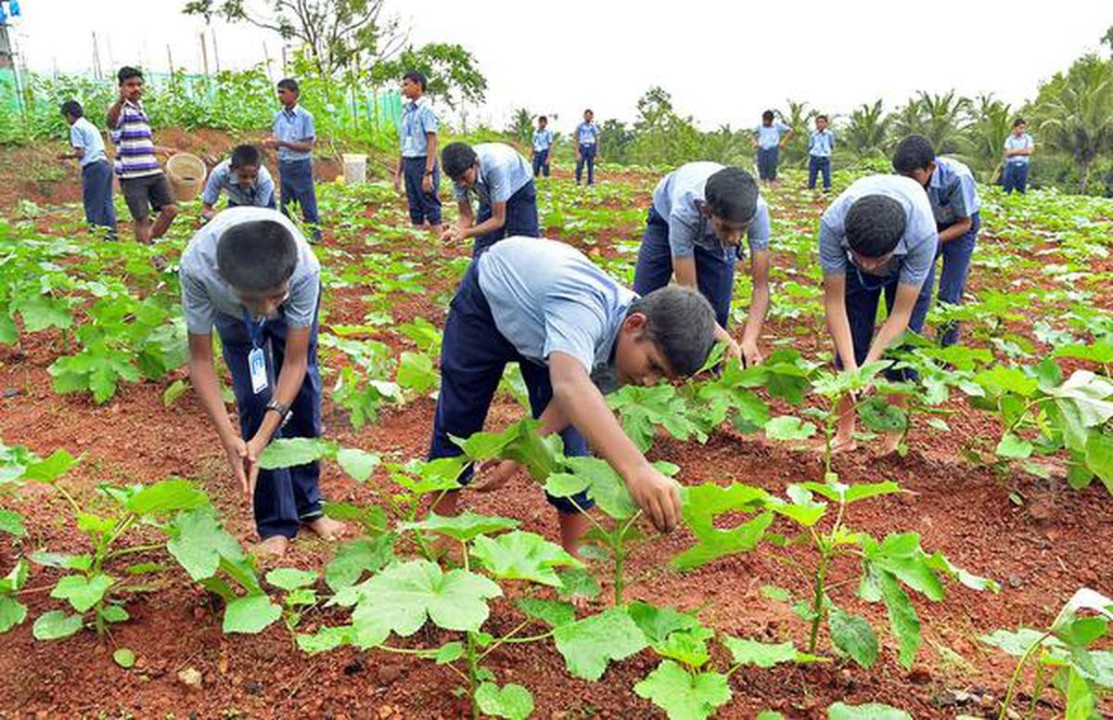
Experience in action
Why hands-on learning feels different
Students do not all learn in the same way. Some understand through explanation. Others need to see, touch, move, discuss or try.
A thoughtfully planned trip can engage several learning styles at once without making the day feel like another classroom session.
- Observation makes abstract ideas easier to understand.
- Participation helps children test what they know.
- Group discussion encourages different viewpoints.
- Reflection connects the experience back to lessons.
What turns an ordinary outing into meaningful learning?
The importance of school trips lies not only in going somewhere new, but in what students do before, during and after the experience.
Before the trip
Create purpose
- Define one main learning or developmental objective.
- Select activities suitable for the age group.
- Brief students on expectations and the buddy system.
- Give them one simple question to explore.
During the trip
Encourage participation
- Balance listening with observation and activity.
- Use clear instructions and regular headcounts.
- Make space for questions and discovery.
- Include rest, hydration and meal breaks.
After the trip
Help students reflect
- Discuss what surprised them.
- Connect one experience to a classroom lesson.
- Use journals, drawings or group presentations.
- Record feedback for the next trip.
A practical school-trip checklist
Good planning protects the experience. Confirm these essentials before the school group leaves the gate.
✓Learning objective and age suitability
✓Student count and chaperone allocation
✓Parent consent and medical information
✓Transport plan and verified vehicle details
✓Bus-wise attendance and headcount process
✓Food, drinking water and allergy requirements
✓Activity supervision and risk assessment
✓First aid and emergency contacts
✓Accessibility and inclusion needs
✓Weather or cancellation alternative
✓Departure, movement and handover procedure
✓Post-trip learning or feedback activity
Let students enjoy the trip—and let teachers enjoy it too.
Planning a school trip can place transport, attendance, meals, activities, permissions, timing, safety and parent communication on the same team. Crazy Crew Events brings those moving parts into one organised plan.
Our customised G2G—gate-to-gate service can support the group from departure to return, with every plan adapted to the students’ age, group size, learning goal, schedule and budget.
Transport
Meals
Itinerary
Activities
Experienced Crew
Safety Planning
On-ground Support
Request a Custom Plan →
Explore School Outings
Educational trip FAQs
What are the main benefits of educational trips for students?
Educational trips can strengthen practical understanding, curiosity, teamwork, communication, confidence, responsibility and problem-solving. They also help students connect classroom ideas with direct experience.
Why are school trips important in education?
School trips support learning beyond the classroom. They give students opportunities to observe, participate, ask questions, apply knowledge and reflect on what they experienced.
How do school trips help students learn?
School trips can make abstract concepts easier to understand by placing them in a real-world context. Learning becomes stronger when teachers prepare students before the trip and use reflection activities afterwards.
Are educational trips useful for all age groups?
Yes, when the activities, duration, instructions and supervision are adapted to the students’ age and needs. The same programme should not be used for every grade without appropriate changes.
What should be included in a school-trip plan?
A complete plan should cover the objective, itinerary, transport, student lists, meals, activities, supervision, medical information, emergency procedures, parent communication and post-trip reflection.
Can educational trips be customised for a school?
Yes. Trips can be customised according to grade, group size, learning objective, activity level, schedule, meal requirements and budget.
Research and educational references
- CBSE experiential-learning resources
- The educational impact of academic field trips
- Research on educational trips, curiosity and wonder
- Effective models of field-trip experiences
CC
Crazy Crew Events
Customised school outings, educational tours, camping programmes, adventure experiences and end-to-end group coordination since 2016.

Written by crazycrew
Lead Event Strategist at CrazyCrew Events with over 8 years of experience curating 500+ corporate offsites, experiential retreats, and team building outbound events across South India.
How to Plan School Trip Without Stress:Complete Checklist for Schools & Teachers
[crazycrew_single_header] .cc-school-checklist, .cc-school-checklist * { box-sizing: border-box; } .cc-school-checklist { --cc-blue: #1261a8; --cc-green: #16855b; --cc-orange: #f58220;...
Survival Skills for Kids: A Guide for Parents, Schools and Teachers
[crazycrew_single_header] .cc-survival-blog, .cc-survival-blog * { box-sizing: border-box; } .cc-survival-blog { --cc-blue: #1261a8; --cc-green: #25845a; --cc-orange: #f58220;...